
The FENDER Team
Tony Peyton
Claire Davis
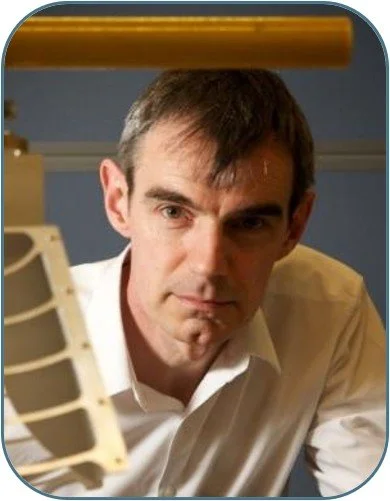
Tony Peyton is the FENDER programme Principal Investigator and has held the Chair in Electromagnetic Tomography Engineering at the University of Manchester since May 2004. With over 40 years’ experience in industry and academia, Tony is a world-leading authority on electromagnetic sensing, with a particular interest in applied sensor systems and instrumentation. Tony’s research group has applied novel tomographic approaches for solving inverse electromagnetic problems across a range of real-world applications, including security scanning, humanitarian demining, rail safety, and steel microstructure monitoring. FENDER will draw on Tony’s particular expertise in the use of eddy-current (EC) techniques for non-destructive evaluation, with a broad range of industrial partners in the energy, rail and metal production sectors.
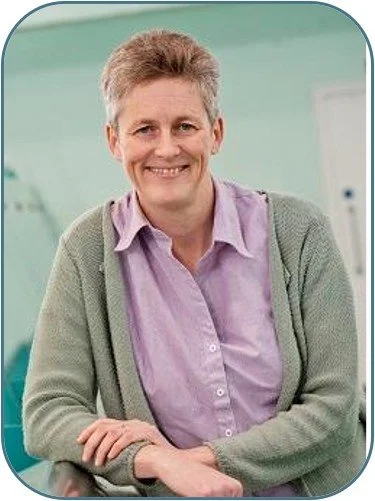
Claire Davis is the joint Principal Investigator for FENDER at the University of Warwick and currently heads the Advanced Steel Research Centre at the Warwick Manufacturing Group (WMG). An internationally renowned metallurgist, Claire has been recognised for her work on the development of microstructure during processing and the relationships between microstructure and properties (both physical and mechanical) in steels. Her research spans both fundamental and applied areas, aiming through frequent collaboration with industry to enhance product performance and develop new and improved steels and processing methods. Claire has acted as an independent reviewer for the Parliamentary Office of Science and Technology’s briefing on Green Steel and presented to the All Party Parliamentary Group, and was elected to be a fellow of the Royal Academy of Engineering in 2024.
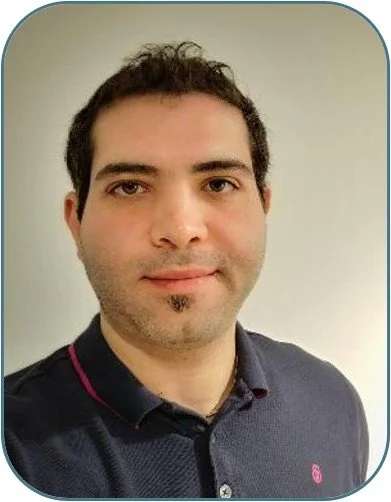
Ehsan is the FENDER Principal Investigator at the University of Strathclyde and holds a Senior Lectureship in Applied Sensing and Signal Processing. Ehsan has over 20 years’ experience in the academic and commercial Non-Destructive Evaluation community, with an early period in the Oil and Gas industry being followed by ongoing NDE research, first in Montreal, focussing on automated defect detection and characterization using the eddy-current method, before his current work at Strathclyde investigating a wide range of NDE techniques and applications including joining, additive, metal production line, and composite inspection. A keen collaborator with industry and focussed on the NDE 4.0 vision, Ehsan has co-developed agile and flexible automated robotic NDE solutions for welded, additive manufactured, and carbon-reinforced composite components.
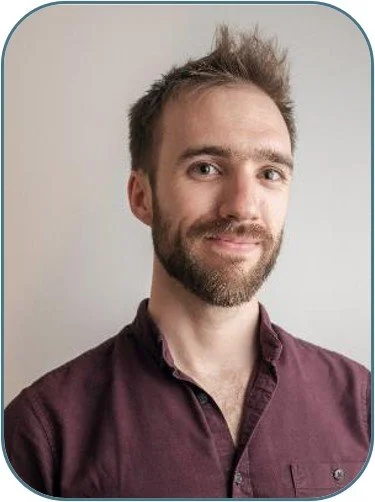
Rob Hughes is the FENDER Principal Investigator at the University of Bristol and holds a Senior Lectureship within Bristol’s Ultrasonics & Non-Destructive Testing (UNDT) Research Group, where he heads up the Electromagnetic Sensing Team. Rob’s research interests encompass both Non-Destructive Evaluation (NDE) and novel approaches to Healthcare Technology. Within NDE, as well as pioneering techniques for complex geometry inspection, Rob is recognised as the originator of the modern resonant eddy-current testing technique for the inspection of carbon fibre structures, an approach which has been adopted by labs around the world. A passionate science communicator, Rob has been a frequent speaker for the Pint of Science initiative and performed his Could you rob a bank with a magnet? show at the 2023 Green Man Festival.
Steve Dixon
Kabita Adhikari
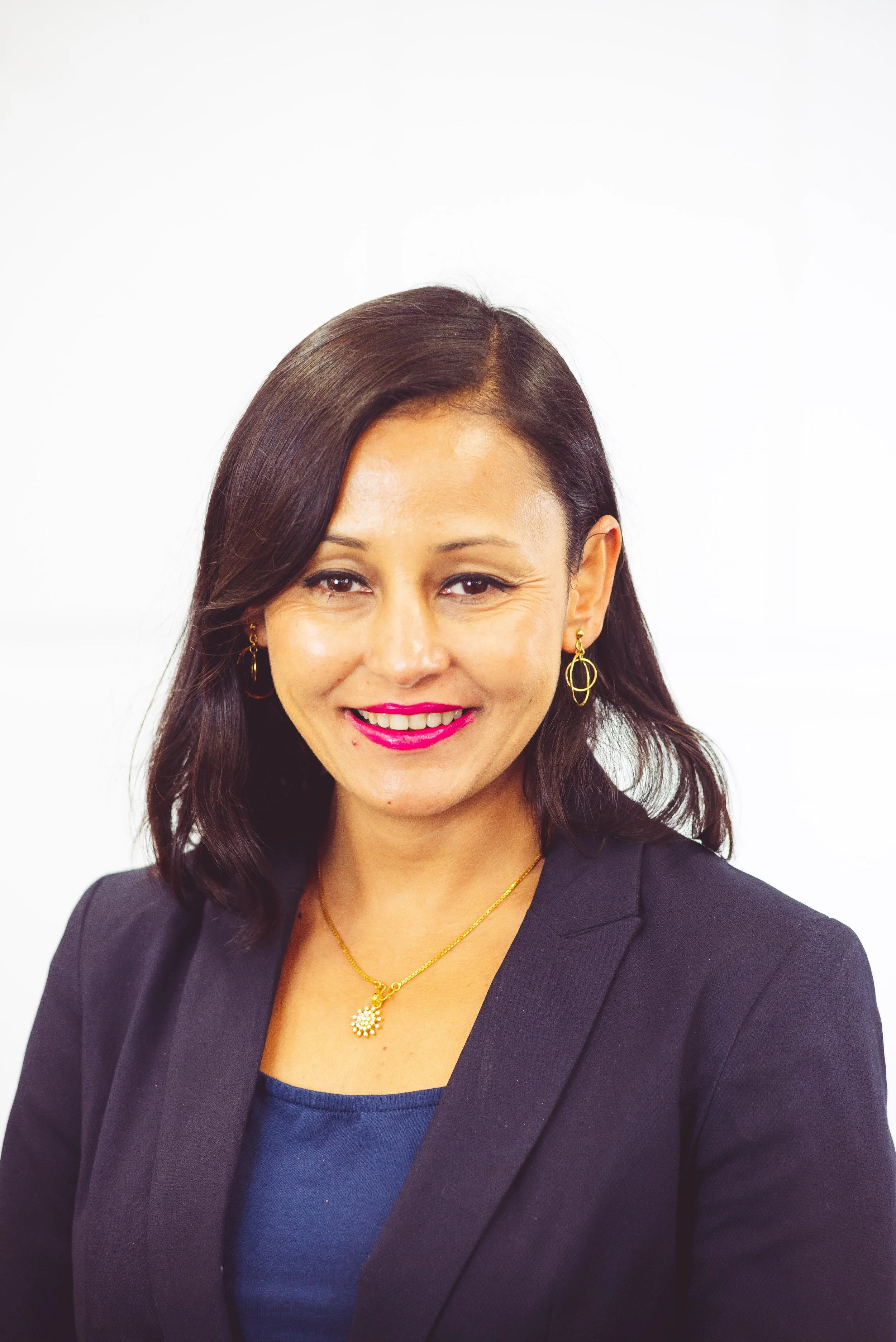
Kabita is the FENDER Principal Investigator at Newcastle University and holds a Senior Lectureship in Signal Processing and Machine Learning. Kabita’s research portfolio covers a breadth of AI focussed interdisciplinary challenge areas including digital health, financial risk modelling, smart sensing, structural health monitoring, and non-destructive evaluation. In the field of non-destructive evaluation Kabita has developed a novel AI-enabled ultra-high frequency radio-frequency identification (RFID) system for the real-time characterization of corrosion in industrial pipelines, and a miniaturised, flexible eddy current probe for in-situ detection of fatigue cracks and stress patterns in aerospace components. Kabita is committed to the development of lightweight and explainable machine learning tools, where every decision can be reasoned, audited, and acted upon in real time. When applied to unconventional domains, these tools have the potential to tackle complex, real-world technological challenges where decisions must be fast, transparent, and fully accountable.
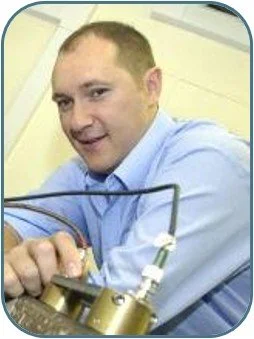
Steve Dixon is the joint Principal Investigator for FENDER at the University of Warwick and is the Director of Warwick’s Centre for Industrial Ultrasonics (CIU). With over 35 years of experience in the field, Steve has leveraged his interest in novel ultrasonic techniques, particularly those related to non-destructive evaluation, to develop new commercial and industrial ultrasonic applications, such as his pioneering work on electromagnetic acoustic transducers (EMATs) for industry. A frequent collaborator with the NDE industry, Steve has undertaken collaborative research with over 100 industrial partners, a body of work which has seen him recognised as a recipient of the BINDT Roy Sharpe Prize, a multiple winner of the John Grimwade medal, and a fellow of the Royal Academy of Engineering and the Institute of Materials, Minerals and Mining.
Frank Zhou
Wuliang Yin
Rob Hughes
Ehsan Mohseni
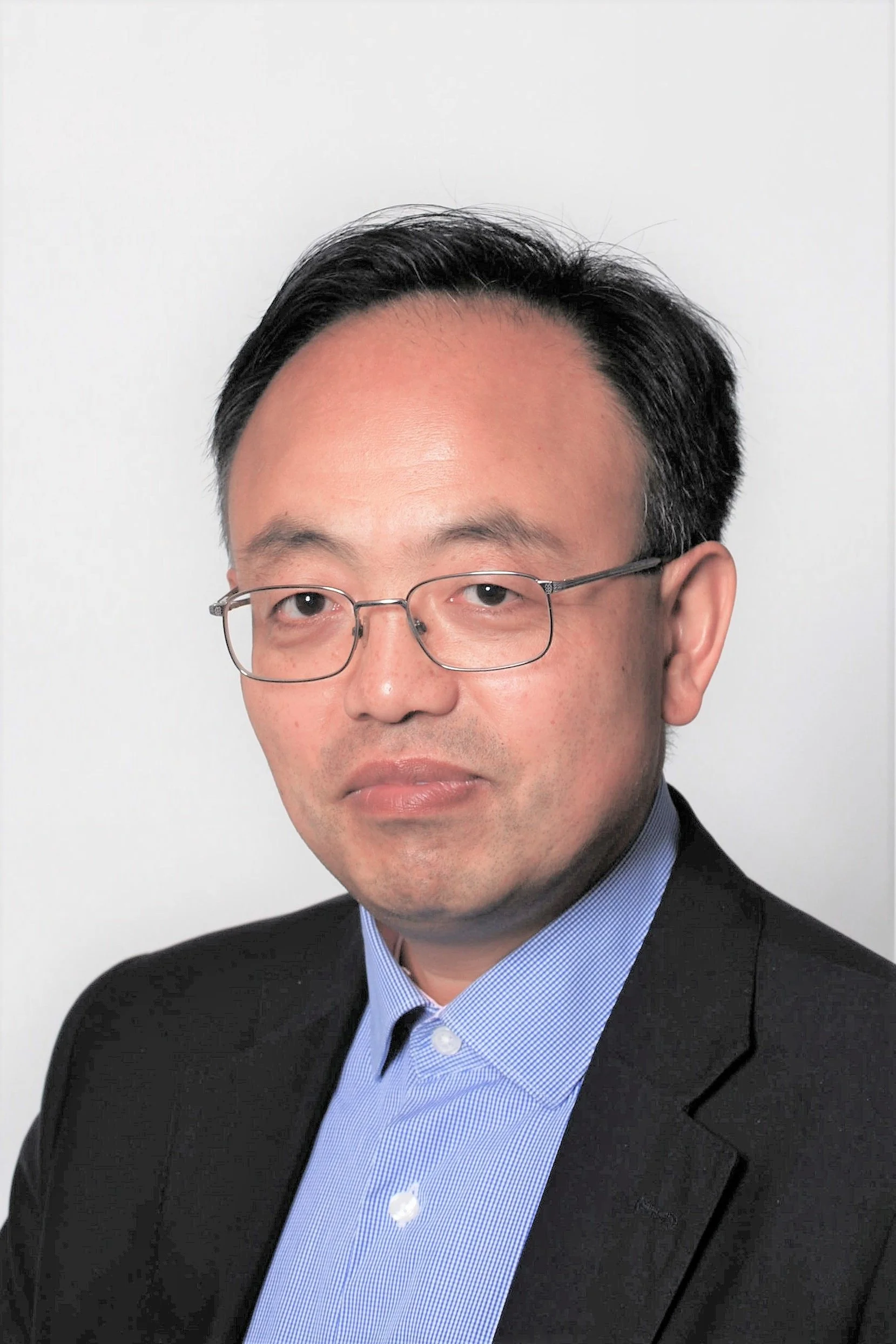
Wuliang Yin is a FENDER co-investigator at the University of Manchester and holds a Chair in Electromagnetic Sensing and Instrumentation in the Department of Electrical and Electronic Engineering. With a focus on novel instrumentation design for non-destructive evaluation, Wuliang has had more than 10 patents granted in this area, co-authored over 450 journal and conference papers, and acted as Principal Investigator on a number of EPSRC and EU funded projects. Widely recognised in the NDE community, Wuliang has twice been awarded the IOM3 Williams Award, received the 2024 BINDT William Gardner Award, and was given a National Scientific and Technical Progress Award by the Chinese Government in 1999. A passionate PhD supervisor, Wuliang’s student have received the IEEE I2MTC best student paper award on five separate occasions between 2018 and 2025.
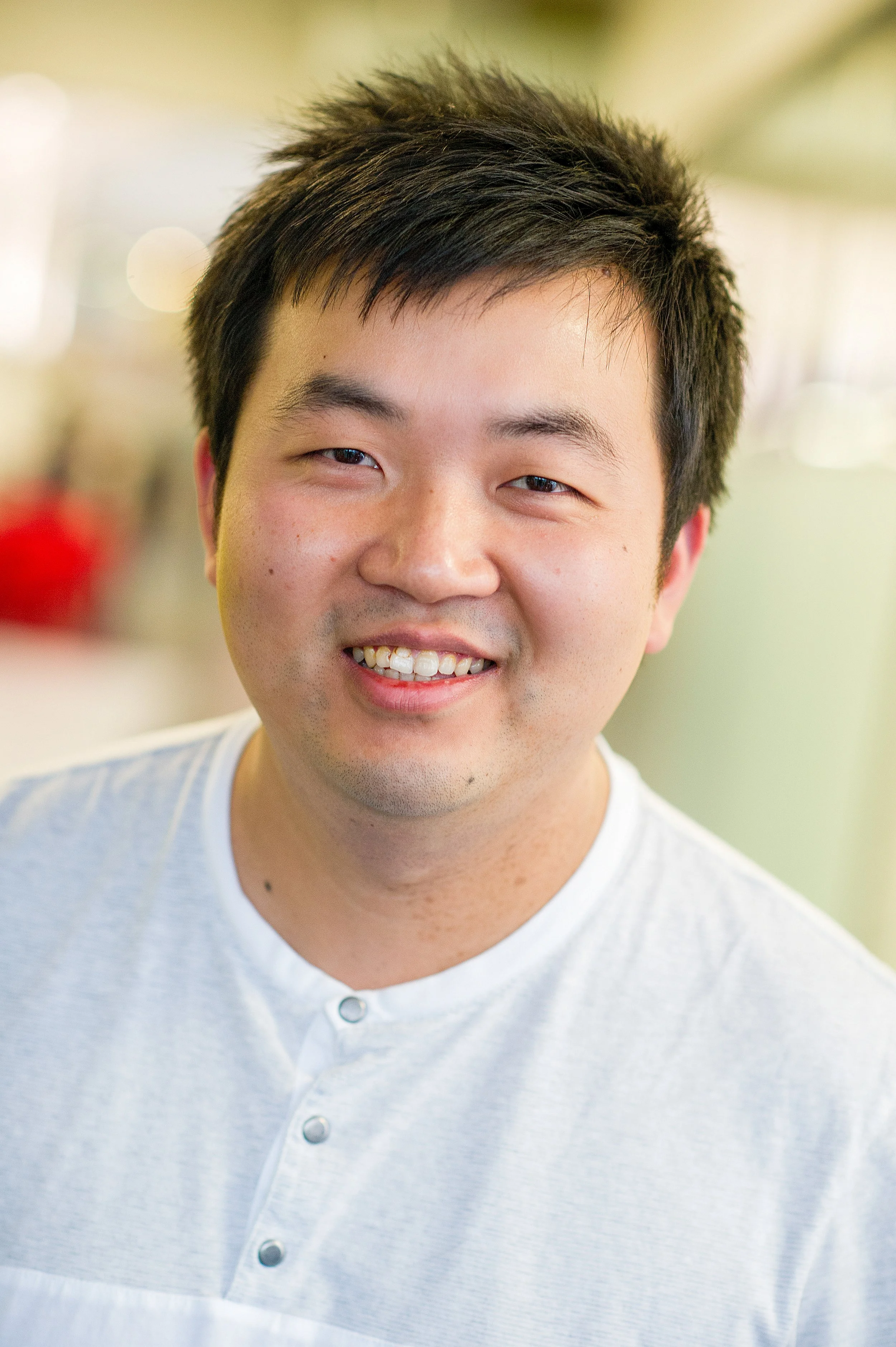
Frank Zhou is a Co-Investigator on FENDER and an Associate Professor in the Warwick Manufacturing Group (WMG) at the University of Warwick. Following a doctorate on the non-destructive evaluation of steels and a period in industry as a company metallurgist, he joined WMG in 2014. He has since contributed to a wide range of collaborative research projects, drawing on his expertise in electromagnetic sensing and the modelling of steel microstructures. This combination of sensing and modelling expertise underpins his contribution to FENDER's work on characterising complex steel microstructures.